Retrofitting Rental Property - to meet gains to achieve EPC-C by 2030
- nick258135
- Apr 29
- 4 min read
Updated: May 4
Simple easy quick upgrades, low cost solutions & a sensible approach will help EPC retrofitting schemes.
This involves upgrading existing buildings to improve energy efficiency, aiming to raise EPC ratings ideally to Band C.

Rather than viewing this as a burden Landlords can actually benefit with a higher quality property, meaning higher rental yields, less tenant turnover & an improved asset with a greater residual value.
We’ve done so many retrofit upgrades over the years - each time the regulations shift it may seem daunting, though we’ve always found easy cost effective solutions for clients - we design out the problems and just make it an easy cost effective process.
We can guide you though, simple quick wins, good simple low cost practice improvements & targeted expenditure to maximise improvements to gain an EPC-C and we'll even organise your new EPC certification.
Also, we can help you achieve a more contemporary building fabric, with less risk of damp & poor ventilation - which leads to a property that actually looks after itself passively & needs less maintenance or year on year repairs.

Though one aspect to understand is that if the work to improve energy ratings on the building fabric is actually a repair, in that it simply replaces a broken item with a modern equivalent (a "like-for-like" replacement), it is considered revenue expenditure and is deductible against rental income in the same tax year so even windows, insulation replacement and flooring can be included if you choose the correct methods.
There are lots of ways a property can be made more energy efficient and many of the improvements can ultimately be tax deductible as capital expenditure. However, this means the expense will not automatically be eligible for tax relief until the property is sold and the costs offset against any gains.
Obviously this is not particularly helpful for the investor landlords who intend to retain their properties. This tax situation arises due to the nature of many energy rating upgrade works being a ‘home improvement’ and not a ‘like for like’ replacement; the latter being covered for tax relief under the wear and tear allowance.
Options for improving a home’s energy efficiency include adding insulation, new window units as double or triple glazing, draft proofing, installing a condensing boiler, fitting low-energy lightbulbs or installing renewable energy sources such as solar panels or wind turbines. Specialist advice is needed before making any investment to check whether the cost could qualify for wear and tear allowance because typically a slight change will be excluded. For instance, if your rental property currently has a traditional boiler and you fit a condensing boiler, this would usually be classed as an improvement, but you may be able to claim at least part of the cost as wear and tear.
While some Landlords feel that this is a burden, it should be viewed as improving, investing & futureproof the asset portfolio - the tax angle needs advice understanding each element and parts thereof.
Many repair elements like reroofing or external enveleopes of the building have to be upgraded as part of the repair to comply with Building Regulations - so get advice on what is a tax allowable expense.

This energy efficiency improvement is to ultimately meet national energy efficiency goals of net-zero targets by 2050.
The idea is to use a "fabric-first" approach, prioritizing insulation, windows, and doors - followed by heating systems and renewable energy like solar panels. This reduces energy consumption, lowers bills, and improves comfort.
Key EPC Retrofit Measures
Insulation (Fabric): Improving loft, wall (cavity or external), and floor insulation to retain heat.
Heating & Controls: Installing smarter heating systems, such as smart thermostats, thermostatic radiator valves (TRVs), and high-heat retention storage heaters.
Renewables: Installing solar photovoltaic (PV) panels to generate electricity.
Lighting: Replacing lighting with LED systems.
Windows & Doors: Upgrading to double or triple glazing.

The Retrofit Process
Retrofit Assessment: A detailed assessment of the property's current energy performance and defects (like damp or mould) to identify suitable improvements.
Coordination and Design: A plan created to ensure improvements work together, often following a whole-house approach to avoid issues like trapped moisture.
Installation: Qualified contractors, often vetted through platforms like TrustMark, install the measures.
Post-works Assessment: A new EPC is issued to reflect the improved rating.
Key Considerations
Minimum Standards (MEES):Landlords must meet specific energy efficiency standards, often needing to upgrade properties to at least band E, with plans for higher standards.
Grants & Support: Programs such as the Energy Company Obligation (ECO4) exist for low-income or vulnerable households.
Structural Health: It is crucial to address existing damp or structural problems before installing insulation to prevent future issues.
Planning Constraints: Special consideration is needed for listed buildings or those in conservation areas.
TrustMark Registered +4

What can you do now?
If your property is already near a C rating, it might be wise to act sooner rather than later. EPCs issued now will stay valid for up to 10 years. If your property is currently a high D, relatively minor improvements could elevate it to a C under the current assessment method. However, after the assessment model changes, those same improvements may not result in the same boost and far more costly. These are some minor changes that could bring you up to a C now:
Loft insulation top-up
Cavity wall insulation
Upgrading to LED lighting
Installing heating controls or a smart thermostat
The EPC certificate of your property should include a recommendation with suggested improvements to help you reach a higher rating. This can help identify the most cost-effective steps to achieve a C.

Benefits
Lower Energy Bills: Enhanced efficiency directly reduces energy costs.
Increased Property Value:Improved energy performance makes homes more attractive to buyers or tenants.
Improved Comfort: Warmer, less draughty homes.
Environmental Impact:Decreased greenhouse gas emissions.
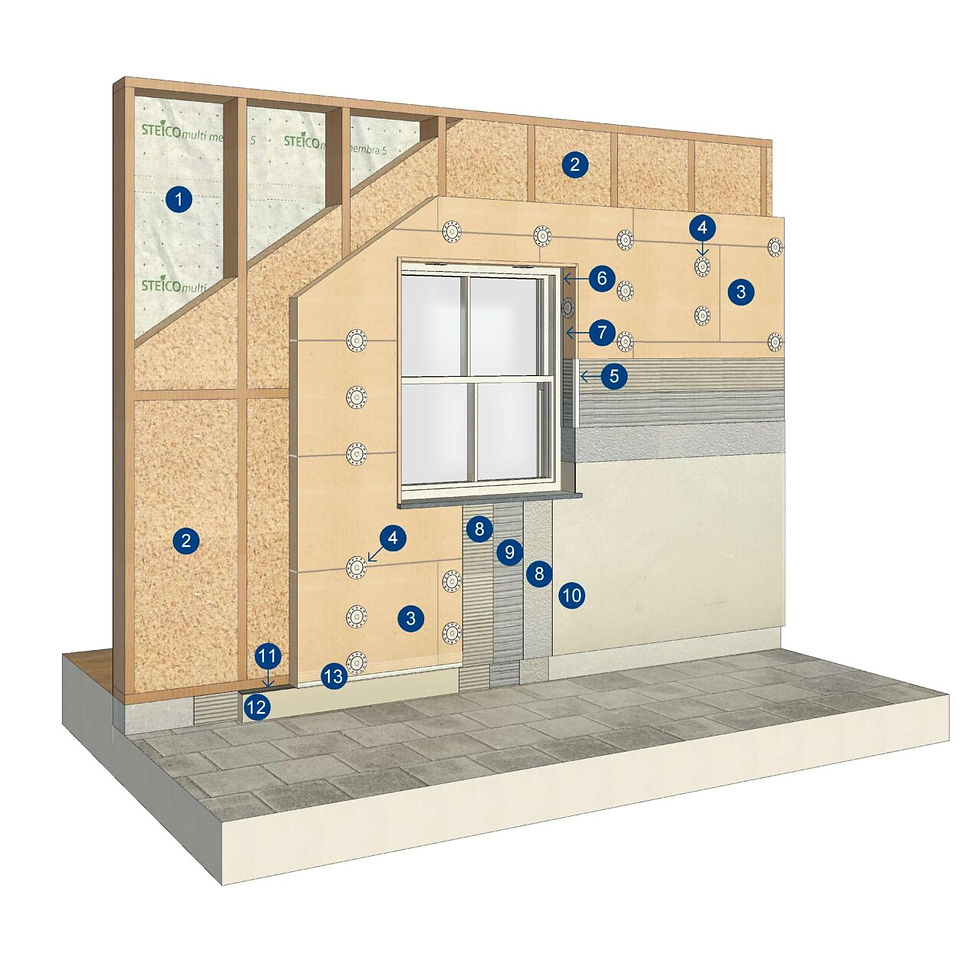
We can easily and quickly give upgrade retrofit advice, this can even be done quickly and cost efficiently in the first instance via an online consulatation or a simple chat.
Give us a call or ping us a message and we'll start the process working with you to find the most cost effective solutions to keep your property legal.
Ring or message Nick 07711182313 nick@nickmidgleydesign.co.uk


Comments